


You’ve probably already searched “visa-free countries for Indians” and landed on an outdated list from 2022. The rules change more often than most travellers realise — new agreements get signed, old ones get revised, and a destination that was visa-on-arrival last year may require a full application today. In this guide, we’ve compiled the most complete, up-to-date breakdown of every visa-free and visa-on-arrival destination available to Indian passport holders in 2026, so you can plan with confidence.
Key Takeaways
- Indian passport holders can access approximately 60+ destinations without a prior visa, through visa-free entry or visa-on-arrival arrangements, as of 2026.
- Visa-free entry and visa-on-arrival are different — one requires no paperwork at all, the other requires a fee or form at the airport upon arrival.
- Southeast Asia remains the most accessible region for Indian travellers, with multiple countries offering straightforward visa-on-arrival or e-visa access.
- The Indian passport ranks 80th globally in the 2025 Henley Passport Index, reflecting steady but measured growth in access over the past decade.
- e-Visa options have expanded significantly, with several countries moving from traditional visa-on-arrival to faster, pre-approved digital systems.
- Always verify entry requirements directly with the destination country’s official embassy or immigration website before travel, as rules can change without notice.
- Some destinations offer conditional visa-free access — meaning entry is free only for holders of valid US, UK, or Schengen visas alongside the Indian passport.
What Does Visa-Free Entry Mean for Indian Passport Holders?
Visa-free entry means that an Indian passport holder can enter a foreign country without applying for a visa in advance — no embassy visit, no application form, no waiting period before travel. You simply show up at the border or airport with a valid Indian passport and are permitted entry for a defined period, typically ranging from 14 to 90 days depending on the country.
It is important to distinguish between three separate categories that are frequently grouped together but work differently in practice. First, visa-free access means absolutely no visa is needed — entry is granted on passport presentation alone. Second, visa-on-arrival (VOA) means a visa is issued at the port of entry, usually requiring a fee, a passport photo, and a return ticket. Third, e-Visa means a visa must be obtained online before travel — it is not visa-free, but it is significantly easier than a traditional embassy application.
For Indian travellers, understanding which category applies to your destination matters because the preparation required is different for each. A visa-on-arrival country still requires you to carry sufficient cash for the fee, passport-size photographs, and onward travel documentation.
Why Your Indian Passport’s Visa Access Matters More Than You Think
The strength of a passport directly determines how freely its holder can move across international borders — and for Indian passport holders, the picture in 2026 is one of gradual but meaningful improvement.
The Indian passport currently holds a ranking of 80th in the Henley Passport Index, granting access to approximately 60 destinations without a prior visa. While this places India below many Western passports, it represents a notable improvement from a decade ago, when the number of accessible destinations was considerably lower. Moreover, the expansion of e-Visa systems globally has made many more destinations practically accessible even where formal visa-free agreements don’t exist.
For Indian travellers, knowing your visa-free access is not just a matter of convenience — it is a fundamental part of trip planning. Applying for a visa to the wrong country at the wrong time, or arriving without the correct documentation, can result in denied boarding or deportation. The stakes of getting this right are real.
Also Read:
Which Countries Are Truly Visa-Free for Indian Passport Holders in 2026?
Visa-free countries for Indian passport holders are nations that permit entry without any visa — pre-approved or on-arrival — for a defined stay period. The list is shorter than many travellers expect, but includes some genuinely appealing destinations.
Visa-Free Destinations in Asia and the Pacific

Nepal and Bhutan are the most straightforward visa-free destinations for Indian citizens — Indian passport holders can enter both countries without any visa or permit, with no fee and no prior application. These remain unique in their completely open-border relationship with India.
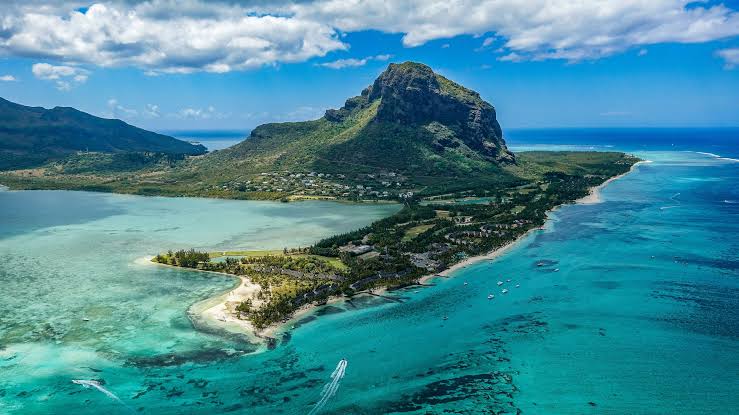
Mauritius allows Indian passport holders visa-free entry for up to 90 days, making it one of the most generous visa-free arrangements available. Indonesia offers visa-free entry for Indian nationals for stays of up to 30 days, a significant recent development that opened one of Southeast Asia’s most popular destinations to easy access.

Maldives grants visa-free entry on arrival for 30 days, with no prior application required — one of the most popular uses of Indian passport visa-free access given the destination’s appeal and proximity.
Visa-Free Destinations in Africa
Several African nations have established visa-free access for Indian passport holders, though the list is smaller than commonly assumed.
| Country | Entry Type | Duration |
|---|---|---|
| Mauritius | Visa-Free | Up to 90 days |
| Seychelles | Visa-Free | Up to 30 days |
| Zimbabwe | Visa-Free | Up to 30 days |
| Senegal | Visa-Free | Up to 90 days |
| Tunisia | Visa-Free | Up to 90 days |
| Morocco | Visa-Free | Up to 90 days |
| El Salvador | Visa-Free | Up to 90 days |
| Dominica | Visa-Free | Up to 180 days |
| Haiti | Visa-Free | Up to 90 days |
| Micronesia | Visa-Free | Up to 30 days |
| Niue | Visa-Free | Up to 30 days |
| Cook Islands | Visa-Free | Up to 31 days |
Which Countries Offer Visa-on-Arrival for Indian Passport Holders?
Visa-on-arrival (VOA) for Indian passport holders means a visa is issued at the destination’s port of entry, typically requiring a small fee, a passport photograph, proof of onward travel, and evidence of sufficient funds for the stay.
VOA destinations significantly expand the practical travel options for Indian passport holders beyond the strictly visa-free list. Southeast Asia, in particular, offers a wide corridor of VOA access that makes the region among the most accessible in the world for Indian travellers.
Southeast Asia: The Most Accessible Region
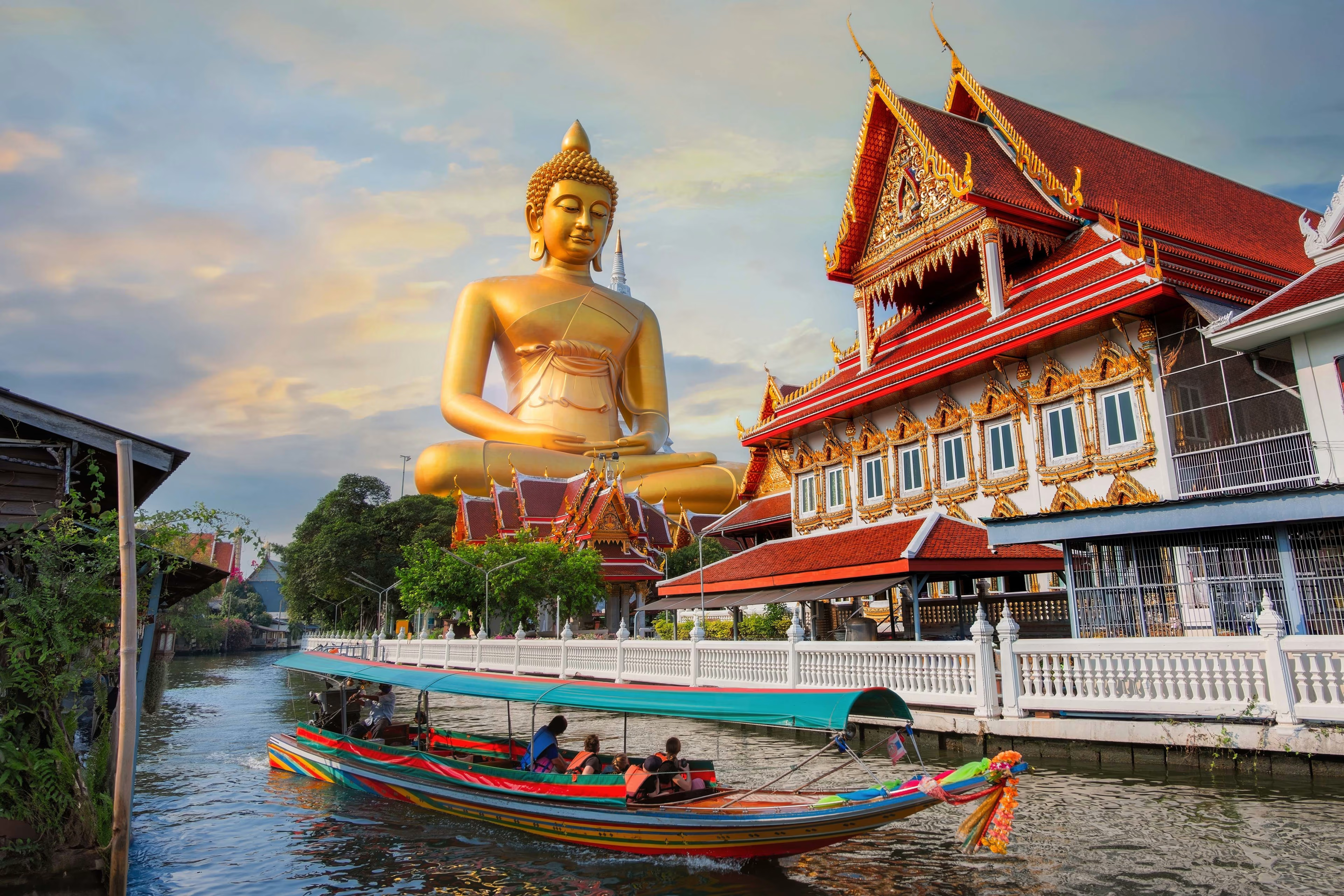
Thailand offers visa-on-arrival for Indian passport holders for stays of up to 15 days, with a fee of approximately 2,000 Thai Baht payable at the airport. Indonesia has recently upgraded from VOA to full visa-free access for Indians for 30 days, removing even the on-arrival fee requirement — a significant and welcome change. Cambodia offers e-Visa as the primary route but also maintains visa-on-arrival at major ports of entry. Myanmar and Laos also offer accessible entry arrangements, though travellers should verify the current status given regional political developments.

Sri Lanka offers an Electronic Travel Authorisation (ETA) system — functionally similar to an e-Visa — that can be obtained online for approximately $20 USD before travel. Most travellers find this a smooth and reliable process.
Middle East Visa-on-Arrival Access

Qatar offers visa-on-arrival for Indian passport holders for stays of up to 30 days, a particularly useful arrangement given Doha’s role as a major transit hub. Bahrain also offers VOA access, while Jordan provides visa-on-arrival at major entry points including Queen Alia International Airport.
Iran offers visa-on-arrival for Indian passport holders, though travellers should consult current advisories given the regional situation as of March 2026 before making travel plans.
Africa and Other Regions
Kenya, Tanzania, Ethiopia, Uganda, and Rwanda all offer some form of VOA or e-Visa access for Indian passport holders, making East Africa a viable travel region. Several of these have shifted to e-Visa systems in recent years, which — while technically requiring pre-travel application — are typically processed within 24 to 72 hours online.
Macao offers 30-day visa-free access for Indian passport holders, while Hong Kong permits stays of up to 14 days without a visa.
Which Countries Offer e-Visa Access for Indian Passport Holders?
An e-Visa is a digitally issued visa that Indian passport holders can apply for and receive entirely online, without visiting an embassy or consulate. While technically not visa-free, e-Visas have transformed access to dozens of countries by removing the need for in-person appointments and long processing queues.
Over 40 countries now offer e-Visa systems accessible to Indian passport holders. This includes major destinations like Turkey, Sri Lanka, Vietnam (e-Visa reintroduced), Kenya, Rwanda, and Azerbaijan.
How e-Visa Access Works in Practice
First, identify whether your destination offers an e-Visa to Indian citizens — not all e-Visa systems are open to all nationalities. Second, apply through the official government portal of the destination country — avoid third-party agencies that charge additional fees for the same service. Third, receive your approved e-Visa by email, typically within 24 hours to five working days depending on the country. Fourth, carry a printed copy of your e-Visa approval alongside your passport when travelling — some immigration counters still request physical documentation.
Turkey’s e-Visa is one of the most straightforward for Indian travellers, typically processed within minutes and valid for multiple entries over 180 days. Vietnam’s e-Visa allows stays of up to 90 days and covers all ports of entry, making it a practical choice for the growing number of Indian tourists visiting the country.
Conditional Visa-Free Access: The US, UK, and Schengen Advantage
Several countries offer visa-free or simplified entry to Indian passport holders who also hold a valid visa from the United States, United Kingdom, or Schengen Area — a category of access that is frequently overlooked but practically significant.
For Indian travellers who hold valid US, UK, or Schengen visas for other travel purposes, this conditional access can unlock additional destinations without separate visa applications. Countries that offer this arrangement include Mexico (with a valid US visa), Kosovo, and several Caribbean nations.
The logic behind this arrangement is that the US, UK, and Schengen visa processes involve thorough background checks — countries offering conditional access are essentially recognising that vetting as sufficient for their own entry requirements. Travellers should always carry the qualifying visa documentation alongside their Indian passport when attempting entry under these arrangements, and verify current rules directly with the destination before travel. Processing requirements and qualifying visa types can change.
Practical Tools to Check Visa Requirements Before You Travel
The most reliable tools for checking current visa requirements for Indian passport holders are official government immigration portals and IATA’s Travel Centre database, used by airlines worldwide to verify passenger documentation.
For real-time, country-specific requirements, the following resources are most dependable. First, IATA Travel Centre provides airline-grade accuracy on visa requirements, updated continuously. Second, the Indian Ministry of External Affairs passport seva portal (passportindia.gov.in) offers government-verified guidance. Third, individual country embassy websites remain the authoritative source for their own entry requirements.

Avoid relying solely on travel blogs or aggregator websites for visa requirement information, including this one. Rules change — sometimes with little notice — and the consequences of travelling on incorrect information can be serious. Always cross-reference with an official source before booking.
What’s Next: How to Make the Most of Your Indian Passport in 2026
If you are planning international travel in 2026, a few practical steps will help you navigate your options with confidence.
First, audit your current visa holdings — if you have an active US, UK, or Schengen visa, check which additional countries that unlocks for you under conditional access arrangements. Second, apply for e-Visas early, even for countries where processing is typically fast — buffer time protects against unexpected delays. Third, keep your passport validity in check — most destinations require at least six months of remaining validity beyond your planned return date; several require more. Fourth, subscribe to travel advisories from the Indian Ministry of External Affairs for real-time updates on entry requirement changes, which are particularly important given the current geopolitical situation in West Asia and neighbouring regions as of March 2026.
For frequent travellers, it is also worth monitoring the progress of bilateral visa-liberalisation agreements that India has been negotiating with several countries — expanded access could come into effect within the next 12 to 18 months for select destinations.
Conclusion
The Indian passport’s visa-free access has grown steadily and meaningfully over the past decade, and 2026 represents a particularly good moment to understand what is available to you. Between genuinely visa-free destinations, practical visa-on-arrival options, and the expanding e-Visa ecosystem, Indian travellers have more accessible international destinations than at any point in history.
The key is knowing exactly what you have — and using it correctly. Use this list as your starting point, verify the details with official sources before every trip, and travel with confidence knowing you have done your homework.
Your passport is more powerful than you might think. Use it well.