


New Delhi — The Indian Hotels Company Limited (IHCL) is developing two Taj-branded luxury resorts on Suheli and Kadmat islands in the Lakshadweep archipelago, each comprising 110 rooms in a combination of beach villas and overwater villas. The projects are being developed on a greenfield basis under a Public-Private Partnership structure with the Lakshadweep Administration, with a stated focus on sustainable construction and minimal environmental impact.
The projects have been described in available material as targeting opening in either 2026 or mid-2027 — the source material provides both timelines, and the confirmed operational date has not been independently verified at the time of writing. Prospective travellers and investors should verify the current timeline directly with IHCL or the Lakshadweep Administration.
The Two Properties: Design and Configuration
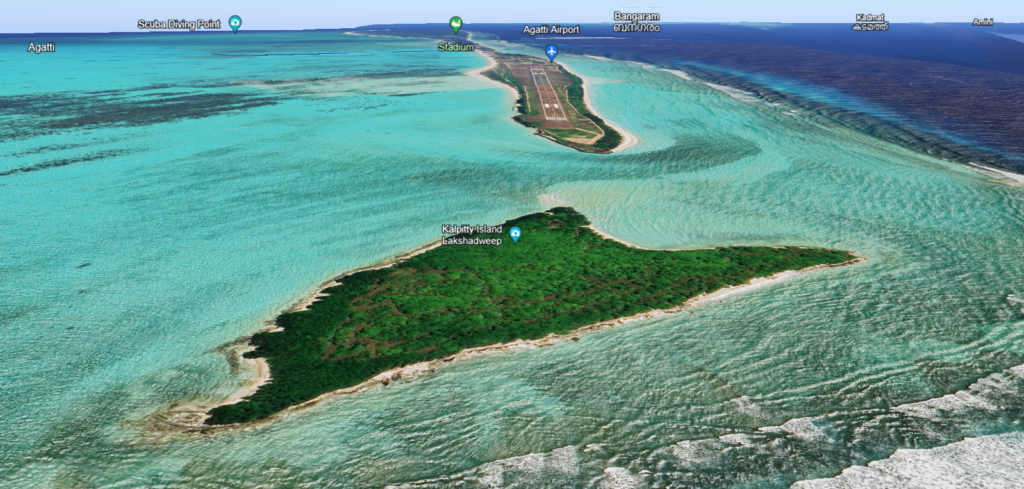
The Taj at Suheli is planned with 60 beach villas and 50 overwater villas. Suheli is characterised as a remote, lagoon-focused island, and the resort’s water villa component — offering direct access to the Arabian Sea, private decks, and lagoon views — is positioned primarily at the leisure and honeymoon travel segment.
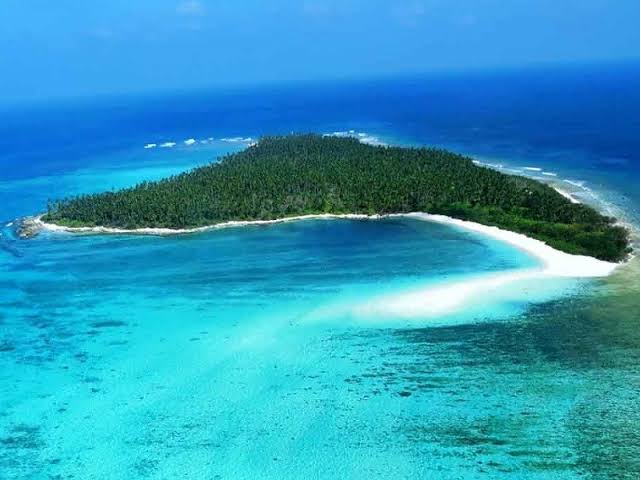
The Taj at Kadmat is configured with 75 beach villas and 35 overwater villas. Kadmat, also known as Cardamom Island, is noted for its large lagoon, sandy beach, and status as a marine protected area with seagrass beds where green sea turtles are recorded. The Kadmat property is described as oriented toward marine-based activity and conservation education alongside standard luxury accommodation.
Both properties are described as greenfield developments — built on undeveloped land rather than converted from existing infrastructure — under a Design, Build, Finance, Operate and Transfer model overseen by the Lakshadweep Administration.
Sustainable Construction Commitments
The environmental construction approach described for both resorts includes three primary elements. First, prefabricated structures are planned to reduce on-site construction activity, limiting noise and physical disturbance to the surrounding marine environment during the build phase. Second, the overwater villas are described as being engineered with specialised stilt systems intended to avoid damage to the coral bed beneath the water surface. Third, both resorts are planned to incorporate solar power generation and advanced desalination systems to reduce dependence on external resource supply.
These commitments are stated in the project’s design framework. Their practical implementation — including the specific construction standards, environmental monitoring protocols, and the Lakshadweep Administration’s oversight mechanisms — has not been detailed in the available source material. Given that Kadmat is a designated marine protected area with ecologically sensitive seagrass and coral habitats, the execution of the construction methodology will be the operative measure of whether the sustainability commitments translate into practice.
Also Read:
Why Lakshadweep, and Why Now
Lakshadweep’s emergence as a focus of high-end tourism investment follows a surge in domestic and international interest in the archipelago that became pronounced in early 2024, when the islands were widely discussed as an Indian alternative to the Maldives. That period of heightened attention drew both tourist footfall and investment scrutiny to an archipelago that had previously remained largely outside mainstream luxury travel itineraries.
The islands present a combination of characteristics that are rare within Indian territory: coral reef ecosystems, clear lagoons, white sand beaches, and low population density. These attributes make Lakshadweep genuinely comparable in environmental quality to the Maldives, but the tourism infrastructure that would make that comparison actionable for international-calibre travellers had not previously existed at scale.
IHCL’s entry into Lakshadweep through the Taj brand — which carries international recognition in the luxury segment — represents the most significant branded hospitality investment in the archipelago to date. The company has an existing presence on Bangaram Island through the Coral Pearl property, operating under the IHCL SeleQtions brand, which has reportedly been assisting guests with the entry permit process required for Lakshadweep access.
Access, Permits, and the Regulatory Framework
Lakshadweep maintains strict entry permit requirements for all visitors, both Indian nationals and foreign nationals, administered by the Lakshadweep Administration. A resort booking does not in itself constitute permission to enter the islands — a separate permit application is required and the process is reported to take between 10 and 14 days in current practice. Travellers planning visits to any Lakshadweep property, including the planned Taj resorts upon their opening, should initiate the permit process well in advance of intended travel dates.
Current access to the islands involves flights from Kochi to Agatti Island, followed by onward transfer by boat or helicopter to the destination island. The government is described in available material as reviewing plans to upgrade Agatti airport and explore direct flight connectivity from additional Indian cities. These are described as plans under review rather than confirmed projects, and no construction timelines or investment figures for airport upgrades have been provided in the available source material.
The Broader Lakshadweep Tourism Strategy
The IHCL development sits within a wider policy intention to position Lakshadweep as a premier international tourism destination. The archipelago’s ecological sensitivity — it includes coral reefs, marine protected areas, and turtle habitats — creates a tension between tourism development and conservation that the PPP model and its sustainability conditions are explicitly designed to manage.
The low-density approach — 110 rooms per island rather than the large-scale resort footprints common in more developed beach destinations — reflects an acknowledgement that the ecological carrying capacity of these islands is limited, and that high-value, low-volume tourism is the model most consistent with both conservation requirements and the premium positioning IHCL is seeking.
Whether the overwater villa model, which is the primary draw in comparable Maldivian properties, can be successfully executed in Lakshadweep’s marine protected environment without ecological compromise will be the defining question of this development’s long-term viability. The specialised stilt engineering described in the project framework is the mechanism through which that compatibility is claimed — but its adequacy will ultimately be determined by environmental assessment and monitoring rather than by design intent alone.
What Travellers Should Know
For those considering a future stay at either property, several practical points are material. The opening date remains unconfirmed between 2026 and mid-2027. Entry permits are mandatory and require advance application. Access involves a multi-leg journey from Kochi. And both islands — particularly Kadmat — are ecologically sensitive areas where visitor behaviour is subject to specific restrictions to protect coral and seagrass ecosystems.
The promise of overwater villas on Indian soil, within a coral lagoon environment, is a meaningful addition to the domestic luxury travel landscape if the development delivers on its design commitments. The conditions attached to that promise — environmental compliance, permit requirements, and infrastructure development — represent real constraints on when and how that promise becomes accessible.