


India — Royal Enfield has launched the Flying Flea C6, marking the company’s entry into electric motorcycle production and making it the first major Indian motorcycle manufacturer to put an electric two-wheeler into commercial production. The launch follows multiple international showcases of the model and comes ahead of a second variant, the S6, which the company has indicated will arrive within the coming months.
The Flying Flea C6 is not positioned as a high-volume product intended to transform Royal Enfield’s near-term business. The company’s stated intent is to develop electric vehicle expertise early, establishing the engineering and operational foundations required for a larger EV role in the future. Pricing has not been officially announced, though indications suggest it will be positioned between the brand’s mid-range and higher-end petrol models — a bracket that places it firmly in the premium segment for electric two-wheelers in India.
Engineering Architecture: Lightweight by Design
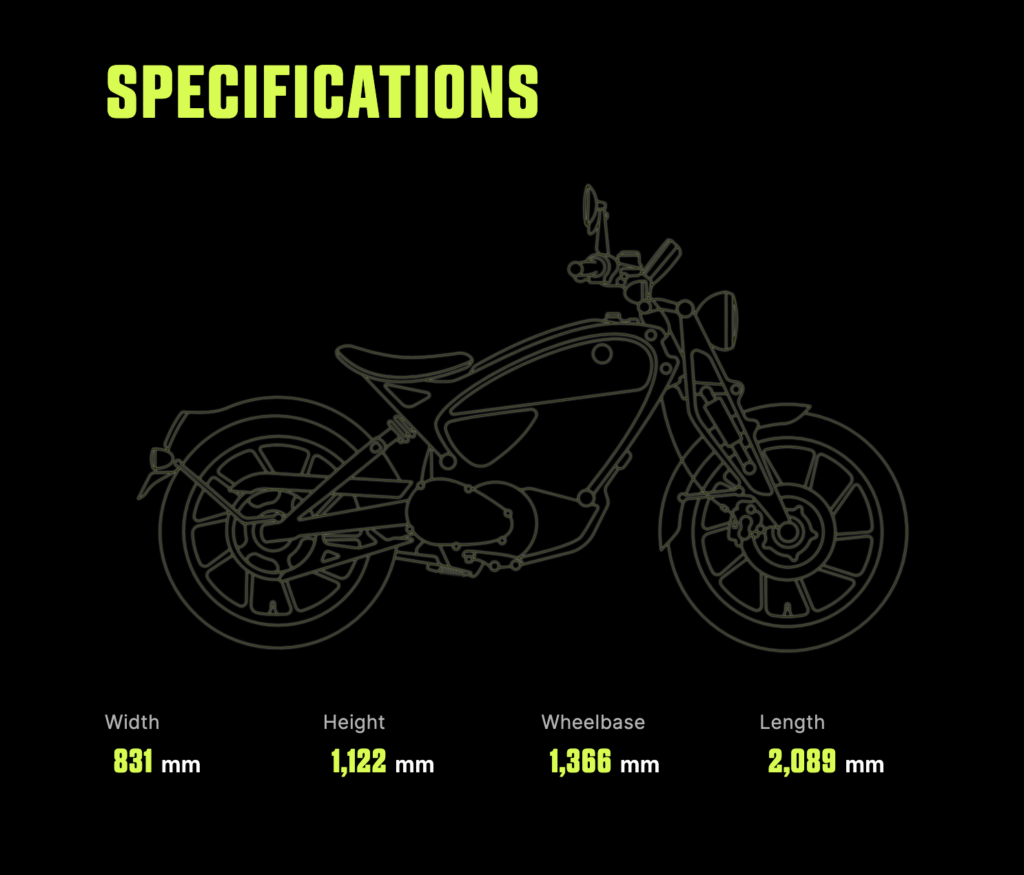
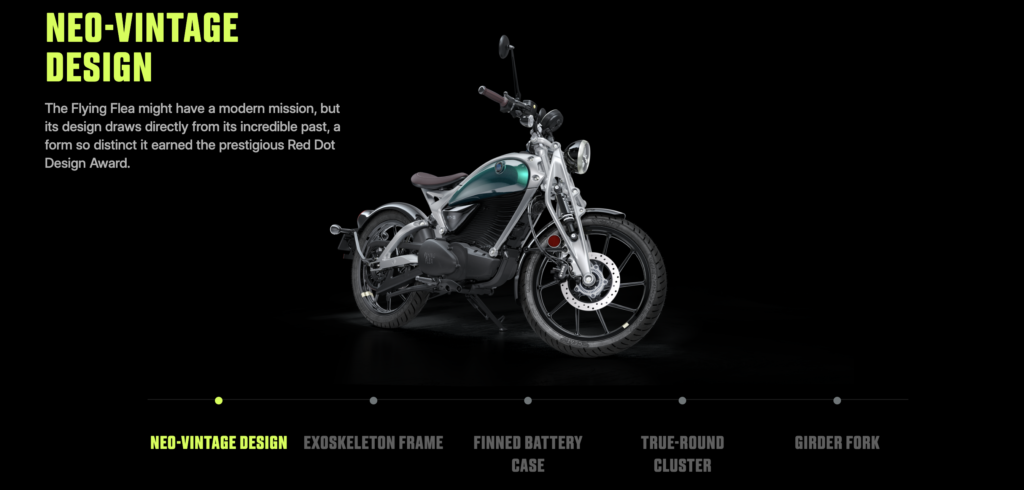
The Flying Flea C6 departs significantly from Royal Enfield’s established design language of large, heavy, retro-styled motorcycles. The machine is notably compact and built around a philosophy of lightweight construction rather than maximum battery capacity — a deliberate engineering choice that distinguishes it from electric motorcycles that prioritise range through larger, heavier battery packs.
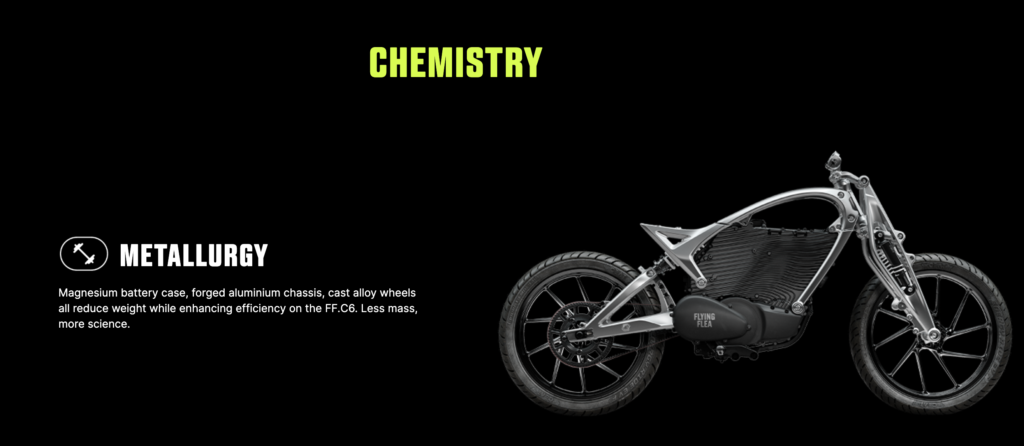
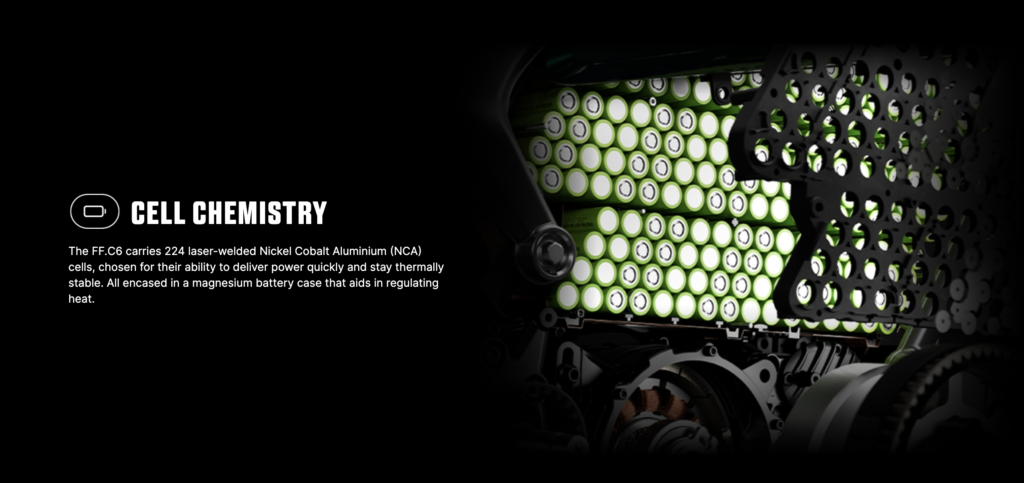
The chassis is a forged aluminium exoskeleton, with the swingarm and the distinctive girder-style front fork also constructed from aluminium. The battery casing is made from magnesium — a material lighter than aluminium but one that requires careful structural management due to its combustibility under extreme conditions. The exoskeleton frame is designed specifically to protect the magnesium battery casing, functioning as a structural safety envelope around it.
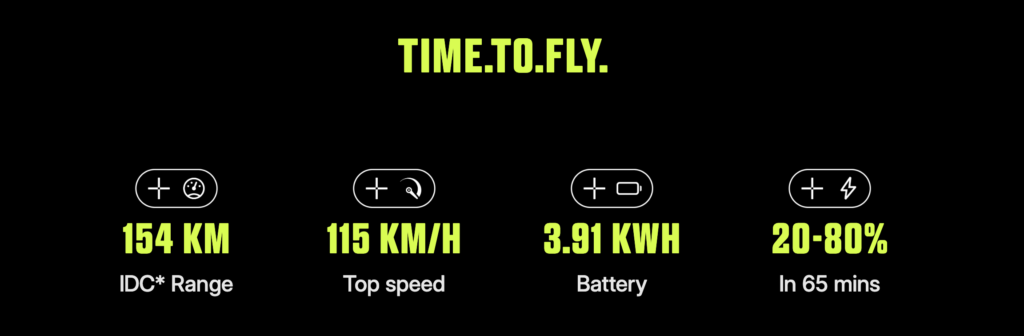
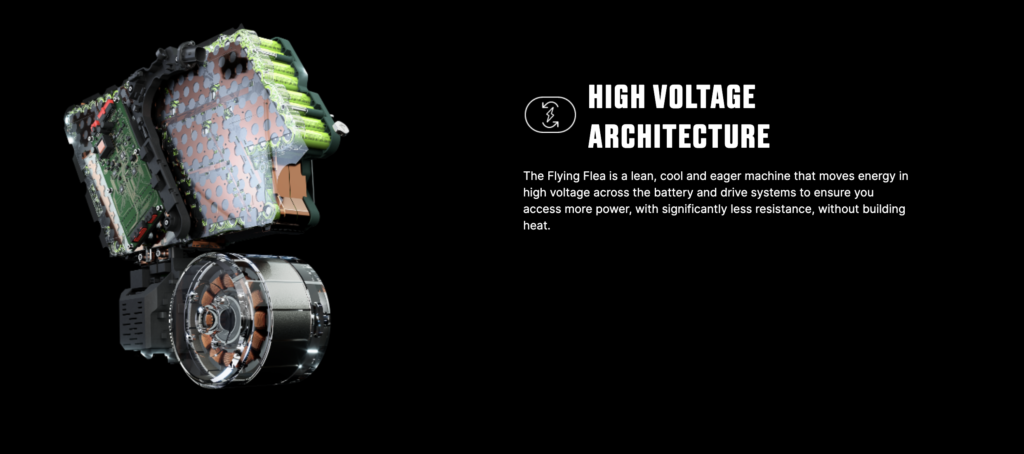
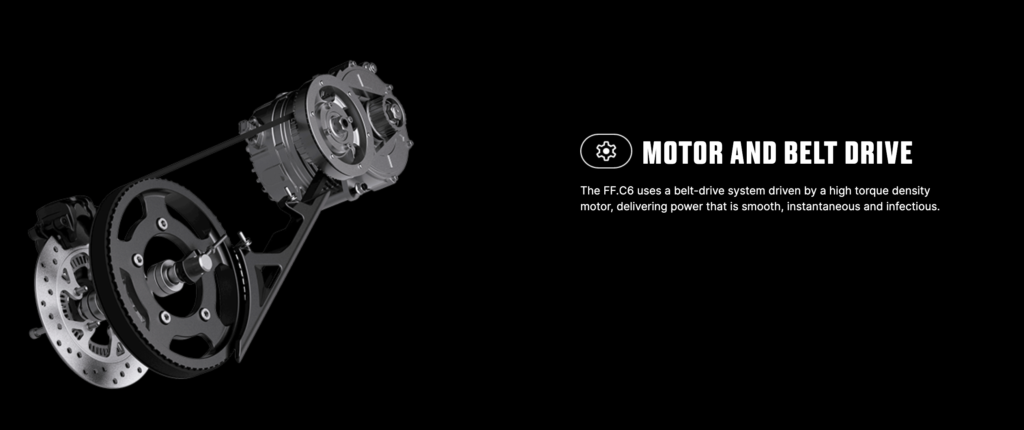
The battery capacity is 3.9 kWh. The electric motor produces 15 kW of peak power and 8 kW of continuous power — figures that are competitive within its class. Power is delivered to the rear wheel through a belt drive system. The motorcycle is capable of reaching approximately 115 km/h and has been described as lively in its throttle response, though it is not positioned as a high-performance machine in outright speed terms.
Range, Charging and Riding Modes
Real-world range varies with riding style. Aggressive riding is expected to yield approximately 60 kilometres per charge, while more measured urban riding can return close to 100 kilometres. These figures are indicative rather than officially certified, and actual range will depend on conditions, rider weight and mode selection.
Charging is handled through a built-in 2 kW onboard charger compatible with a standard 16-amp socket using an appropriate cable, removing the dependency on dedicated charging infrastructure for overnight or at-home charging. Multiple charging speed options are available, allowing riders to balance charging time against available power supply.
The motorcycle offers four preset riding modes — Rain, City, Highway and Sport — along with a fully customisable fifth mode. Across all modes, riders can adjust throttle response, regenerative braking levels, rear ABS behaviour and traction control settings. Notably, none of the modes impose significant speed restrictions, which preserves the motorcycle’s practical usability regardless of which mode is selected.
Also Read:
Suspension, Braking and Ride Characteristics
The girder-style front fork is among the most visually distinctive elements of the C6. While unfamiliar to riders accustomed to conventional telescopic forks, the setup functions effectively once acclimated to, and the suspension movement is visible during riding — a quality that contributes to the motorcycle’s mechanical character.
Ride comfort has been described as generally plush, handling typical road surfaces adequately. The motorcycle rolls on 19-inch wheels with slim tyres, a configuration chosen to reduce rolling resistance and support efficiency rather than maximise cornering grip.
Braking is managed entirely through hand levers — there is no foot brake — a design simplification that also enables adjustable footpeg positioning. Braking performance is effective, though the interaction between regenerative braking and the rear ABS system can produce an intrusive feel in certain conditions, a characteristic the company may refine ahead of or following customer deliveries.
The motor operates with minimal vibration. It produces some mechanical sound, though this has been characterised as inoffensive rather than disruptive to the riding experience.
Ergonomics and Passenger Accommodation
Despite its compact dimensions, the Flying Flea C6 accommodates a range of rider heights reasonably well. The seat height of 823 mm is on the taller side, but the narrow seat design allows shorter riders to manage ground reach more comfortably than the raw figure might suggest. The seat, however, becomes uncomfortable on extended rides — a limitation that is relevant given the motorcycle’s positioning as a product for enthusiast and urban use.
The rear seat is small and not suited to regular pillion use. Rear footpegs are mounted on the swingarm rather than the frame, meaning they move with suspension travel — a configuration that may reduce rear passenger comfort, particularly over uneven surfaces.
Features and Technology
The Flying Flea C6 represents a significant step forward in technology content relative to Royal Enfield’s existing petrol-powered lineup. Standard features include cornering ABS, traction control, a TFT instrument display, keyless ignition and smartphone connectivity. A wireless phone charger is integrated into an onboard storage compartment, which supports navigation mirroring use cases during riding.
The TFT display is feature-rich, though its interface has been noted as somewhat complex to navigate in initial assessments. Switchgear finish and some visible markings on fasteners have been noted as areas that may be refined between the pre-production units assessed and the final production specification delivered to customers.
The companion mobile application is still being finalised and will be made available closer to the commencement of customer deliveries. Royal Enfield has indicated the initial rollout will be limited to select cities in India before expanding to additional domestic markets and, subsequently, international markets.
Market Context and Competitive Position
There is no directly comparable electric motorcycle in the Indian market at the Flying Flea C6’s apparent price positioning. It is not aimed at buyers whose primary consideration is commuting practicality or cost-per-kilometre efficiency — segments where lighter, more affordable electric two-wheelers dominate. Nor is it positioned as a performance electric motorcycle competing on acceleration or top-speed metrics.
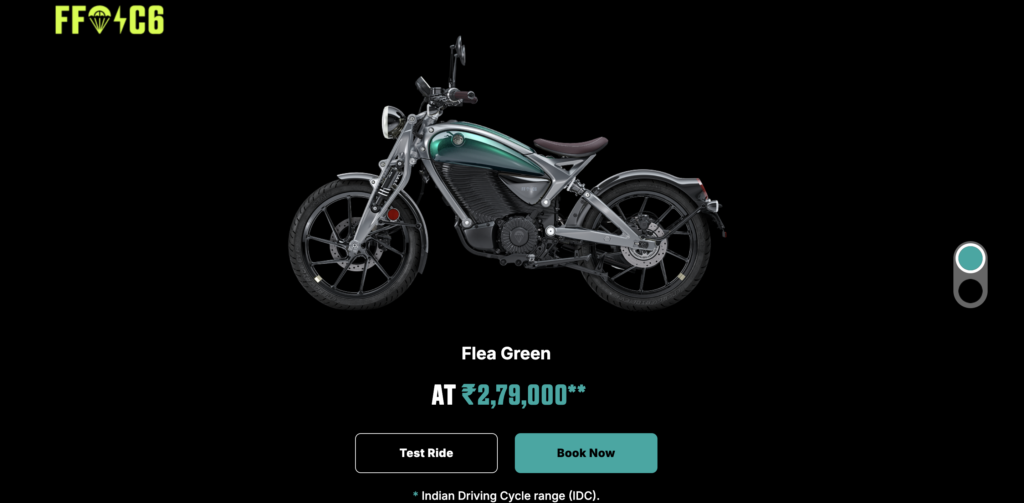
The C6 occupies a niche defined by design distinctiveness, engineering sophistication and brand heritage. It is most likely to appeal to motorcycle enthusiasts who place value on the quality of materials, the novelty of the engineering solution and the significance of Royal Enfield’s entry into electric mobility — rather than buyers optimising for range or outright value.
The forthcoming S6 variant is expected to address some of the current model’s limitations, particularly around seat comfort and overall design expression, and may broaden the Flying Flea range’s appeal when it arrives.
Royal Enfield’s decision to enter electric production ahead of better-resourced domestic and international competitors reflects a strategic calculation that early capability building in EV technology carries long-term value that outweighs near-term volume or margin considerations. Whether that calculation proves correct will become clearer as the Indian electric two-wheeler market develops and the company brings subsequent models to market.
Official pricing and final variant specifications are expected to be announced ahead of customer deliveries. Details may be subject to change.